
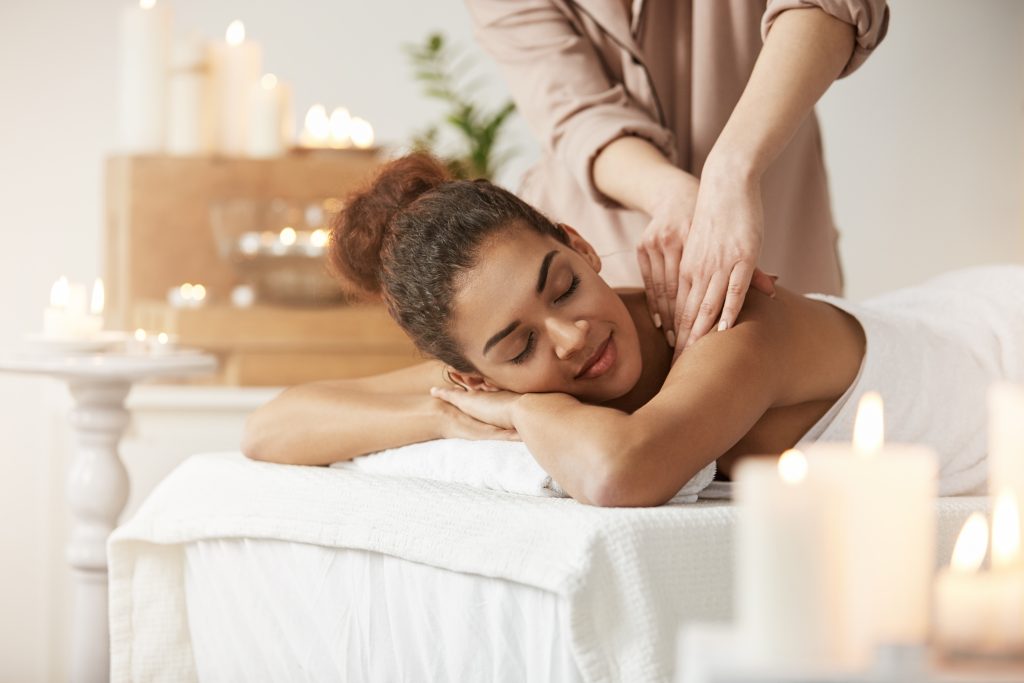
Feeling like your shoulders are permanently up by your ears? Is your mind always racing while your body feels heavy and stiff? You’re not just “a bit stressed”—you’re likely holding that tension in your muscles, creating a cycle of discomfort and fatigue. A true therapeutic massage is far more than a luxury; it’s a powerful, scientifically-backed tool for breaking that cycle. This guide explores the profound benefits of therapeutic massage, explaining how it works from the inside out to release trapped tension, calm your nervous system, and facilitate genuine recovery for your body and mind.
Understanding the Stress Response: How Tension Gets “Trapped” in the Body
When you’re stressed—whether from work, life, or overstimulation your body’s “fight-or-flight” system activates. This releases hormones like cortisol and adrenaline, causing your muscles to contract and prepare for action. In our modern lives, we rarely get to physically “fight” or “flee” from these stressors. The result? That protective tension has nowhere to go.
It becomes chronically held in common areas like the neck, shoulders, jaw, and back. Over time, this leads to muscle pain, reduced range of motion, headaches, and a constant feeling of being “on guard.” Your body forgets how to fully relax. A therapeutic massage directly intervenes in this process, manually signaling to your nervous system that it’s safe to switch off the alarm and begin the repair process.
The Science of Relief: Key Physiological Benefits of Therapeutic Massage
The relief you feel isn’t just in your head it’s a series of measurable, physical changes. Here’s what happens inside your body during a skilled session:
- Releases Muscle Tension and Breaks Pain Cycles: Skilled hands work to lengthen shortened, contracted muscle fibers, breaking up painful knots (trigger points) and adhesions in the connective tissue. This directly alleviates pain and restores ease of movement.
- Improves Circulation and Promotes Detoxification: The manual pressure and rhythmic strokes of a relaxation massage act like a pump for your circulatory and lymphatic systems. This enhances blood flow, delivering fresh oxygen and nutrients to tired muscles while helping to flush out metabolic waste products that contribute to soreness and inflammation.
- Calms the Nervous System: Perhaps the most significant benefit for stress relief is the shift from the sympathetic (“fight-or-flight”) to the parasympathetic (“rest-and-digest”) nervous system. This lowers heart rate, blood pressure, and cortisol levels, creating a deep state of physiological relaxation.
These processes are the foundation of how massage improves circulation, aids detoxification, and initiates the body’s natural muscle recovery.
A Deeper Look: How Specific Massage Techniques Target Stress & Aid Recovery
At a practice like Holoase, the therapist doesn’t just apply a one-size-fits-all routine. They listen to your body and select from a toolkit of modalities to address your specific needs:
- Lomi Lomi Massage: This flowing, dance-like Hawaiian technique uses forearms and broad, rhythmic strokes. The benefits of Lomi Lomi massage include a profound sense of emotional release and “letting go,” as the continuous motion creates a meditative state and works large areas of the body fluidly.
- Hot Stone Massage: Smooth, heated basalt stones are placed on key points and used as massage tools. The hot stone massage advantages are dual: deep, penetrating heat loosens tight muscles and induces extreme calm, while the weight of the stones provides a grounding, comforting pressure.
- Cupping Therapy: Using suction cups on the skin lifts and separates layers of soft tissue. The effects of cupping therapy include breaking up deep fascial adhesions, dramatically increasing local blood flow, and relieving stubborn, chronic tension that standard pressure can’t reach.
- Connective Tissue & Marma Therapy: These approaches target specific systems. What is connective tissue massage? It’s focused work on the fascial web that surrounds your muscles, releasing restrictions that cause pain and limitation. Marma therapy, an Ayurvedic technique, works on vital energy points to balance the body’s systems holistically.
Beyond the Physical: Emotional and Mental Well-Being Benefits
The impact of a truly therapeutic session extends far beyond your muscles. By quieting the body’s physical stress signals, you create space for mental and emotional reprieve.
- Reduces Anxiety and Improves Mood: The drop in cortisol and increase in endorphins (your body’s natural feel-good chemicals) directly combat feelings of anxiety and can uplift your mood. This is a key part of how massage reduces anxiety.
- Enhances Mindfulness and Body Awareness: In a state of deep relaxation, you become more connected to physical sensations and less trapped in cyclical thoughts. This fosters present-moment awareness.
- Improves Sleep Quality: By promoting relaxation and reducing pain, therapeutic massage helps regulate sleep patterns, allowing for deeper, more restorative rest—a critical component of recovery from stress and burnout.
Creating a Lasting Impact: Why Regular Massage Is a Tool for Ongoing Wellness
Think of therapeutic massage not as a one-time fix, but as a form of maintenance for your well-being, similar to regular exercise or a healthy diet. Consistent sessions help:
- Prevent tension from accumulating to painful levels.
- Train your nervous system to access a relaxed state more easily.
- Build resilience against the physical effects of daily stressors.
- Maintain better posture, flexibility, and overall body awareness.
It’s a proactive investment in your long-term health, helping you manage stress before it manages you.
FAQ: Your Questions About Massage for Stress and Recovery Answered
Q: How does massage actually help with stress?
A: It works on multiple levels. Physically, it releases muscle tension and improves circulation. Neurologically, the soothing touch stimulates the parasympathetic nervous system, which lowers stress hormones like cortisol and induces a state of deep calm. This combination is why massage helps with stress so effectively.
Q: What’s the difference between a spa massage and a therapeutic massage?
A: A spa massage is generally focused on relaxation and pampering with a standard routine. A therapeutic massage is a clinical, personalized treatment. The therapist at a practice like Holoase performs an assessment, listens to your specific concerns (e.g., chronic neck pain, burnout), and uses targeted techniques to address the root causes of your discomfort and stress, aiming for lasting functional improvement.
Q: How soon will I feel the benefits?
A: Many people feel significantly more relaxed and less tense immediately after a session. For reducing chronic pain or managing long-term stress, a series of sessions is often recommended to create cumulative, lasting change in the body’s patterns.
Q: I feel overstimulated and can’t relax easily. Is massage still for me?
A: Absolutely. A skilled therapist will create a calm, quiet environment and use techniques that are grounding and soothing. Practices like Holoase specialize in creating a safe “oasis” for clients who feel overwhelmed, using a pace and pressure that encourages the nervous system to gently unwind.
Experience Personalized Healing at Holoase
You deserve more than a temporary escape from tension. You deserve a dedicated partner in your recovery, someone who sees the connection between your physical aches and your mental load.
At Holoase in Zaandam, founder Sabrina Loon combines intuitive touch with a deep knowledge of holistic techniques—from Lomi Lomi to Marma therapy—to create a truly personalized session. Here, massage is a responsive dialogue with your body, designed to release what you’re holding onto and create space for genuine renewal.
Ready to move beyond stress and experience deep, personalized recovery? Book your therapeutic massage journey at Holoase today.